high performance systems protect floors from wear
High performance systems are widely recognized for their ability to enhance durability and efficiency in industrial and commercial environments. One of their most significant benefits is the protection they provide to floors from wear. Floors in warehouses, manufacturing plants, and distribution centers are constantly subjected to heavy traffic, machinery, and the movement of goods. Over time, this can lead to scratches, cracks, and surface degradation. How do high performance systems protect floors from wear? The answer lies in their materials, design, and engineering, which work together to create a robust and resilient flooring solution.
The materials used in high performance systems are carefully selected to resist abrasion and impact. Unlike standard flooring, which may deteriorate quickly under continuous stress, high performance systems utilize reinforced concrete, advanced polymers, or composite coatings that distribute loads evenly and absorb shocks. These materials prevent localized damage that often leads to chipping or cracking. By using high-quality, wear-resistant components, high performance systems ensure that floors maintain their structural integrity and appearance over long periods, even in environments with heavy foot and equipment traffic.
Another way high performance systems protect floors from wear is through their structural design. These systems are engineered to manage both static and dynamic loads efficiently. Static loads, such as the weight of storage racks, and dynamic loads, such as forklifts or moving pallets, can create significant stress on floors. High performance systems are designed to spread these forces evenly across the surface, reducing pressure points that could cause surface erosion or structural failure. This thoughtful engineering approach prolongs the lifespan of flooring while maintaining safety and functionality.
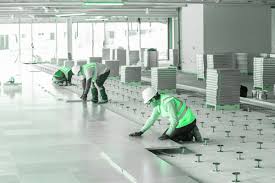
How do high performance systems protect floors from wear?
Surface treatments and coatings are also a key component of high performance systems in protecting floors from wear. Many systems include specialized protective layers that resist chemical spills, moisture, and abrasion. These coatings form a barrier between the flooring material and external stressors, preventing premature damage and maintaining a smooth, safe surface. Additionally, some high performance systems incorporate anti-slip and scratch-resistant finishes, which not only improve safety but also reduce the visible signs of wear caused by continuous movement and friction.
Maintenance efficiency is another advantage of high performance systems. Floors that wear quickly often require frequent repairs, resurfacing, or replacement, which can be costly and disruptive. High performance systems, however, are designed for long-term durability, meaning that routine maintenance is simpler and less frequent. Even when minor wear occurs, the underlying system remains intact, and repairs can be focused on surface treatment rather than structural restoration. This resilience reduces both downtime and maintenance expenses, making high performance systems a cost-effective solution for protecting floors from wear.
In conclusion, high performance systems effectively protect floors from wear through the use of durable materials, precise structural design, advanced surface treatments, and long-lasting performance. They are engineered to absorb impacts, resist abrasion, and maintain their integrity under demanding conditions. Facilities that implement high performance systems benefit from floors that stay safer, stronger, and more reliable over time. By reducing wear and extending the lifespan of flooring, high performance systems provide both practical and economic advantages, making them a smart investment for industrial and commercial environments.